
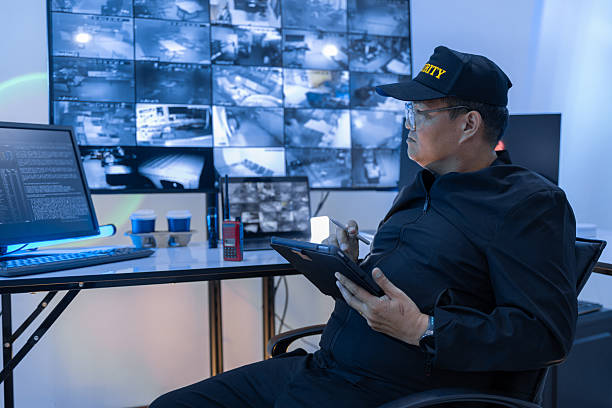
Security is often viewed as a reactive layer—a necessary measure to respond to threats. Yet, when implemented thoughtfully, it operates as an unseen architectural force. It subtly shapes behavior, guides movement, and influences the operational rhythm and psychological safety of any environment. In this context, exceptional security transcends basic guarding and becomes an integrated element of design and human experience.
- The Psychology of Perceived Security and Natural Vigilance
Effective security design recognizes that perception alone can be a powerful deterrent. The goal is not to create a fortress-like environment, but to foster a natural, subconscious sense of order and oversight. Strategically positioning visible personnel and well-maintained monitoring systems generates a perception of vigilance that discourages misconduct. This psychological layer encourages self-policing within a space, enabling legitimate users to feel secure while subtly redirecting potential wrongdoers—even without direct intervention. Top security providers, including trusted security guard companies San Francisco, understand the critical role perception plays in shaping behavior.
- Guiding Flow Through Invisible Pathways
Sophisticated security planning goes beyond deterrence, applying principles of environmental design to naturally guide movement. Observing traffic patterns, identifying pinch points, and mapping natural congregation areas allow personnel to be placed in observational nodes rather than static posts. These “invisible pathways” streamline legitimate movement for employees and visitors while making anomalous or unauthorized behavior stand out, enabling faster, more intuitive responses. The result is a space where security is seamlessly embedded in daily operations, not imposed upon them.
- Enabling Empowerment, Not Just Enforcement
A transformative approach to security emphasizes empowerment over mere enforcement. Personnel trained as approachable safety ambassadors encourage employees to report concerns and assist visitors without creating tension. This builds a collaborative network of vigilance, where the security function is reinforced by the community it protects. The outcome is a more resilient, proactive culture, where trust replaces fear and people feel both safe and valued.
- The Symphony of Human Insight and Data Intelligence
The architectural impact of modern security is amplified by the integration of human judgment and real-time data. Officers equipped with alerts from access systems, sensors, and communication networks act as conductors of situational awareness. Their experience allows them to interpret signals, distinguishing routine anomalies from genuine threats. This fusion of human insight and technology creates a responsive, intelligent security posture capable of adapting to evolving circumstances. Partnering with experienced security guard companies San Francisco ensures the human and technological components work seamlessly together.
- Building Resilience Through Adaptive Protocols
True security architecture is flexible, resilient, and adaptive. Layered protocols can scale to changing threat levels, special events, or operational needs, ensuring the environment remains secure at all times. Providers with dynamic thinking and scalable resource allocation maintain operational continuity under both routine conditions and high-profile pressures. Working with experienced security guard companies San Francisco ensures that security measures remain robust, practical, and integrated with organizational objectives.
In essence, the most effective security operates like the foundation of a building—rarely visible, yet essential to everything built upon it. It is a deliberate design choice that shapes human experience, streamlines operations, and fosters a pervasive sense of assured safety. By approaching security as an architectural and behavioral framework, organizations invest not merely in protection, but in the invisible infrastructure that enables confidence, productivity, and a thriving community. Choosing the right partner—experienced, strategic, and locally knowledgeable—turns this invisible architecture into a tangible advantage.